
"from Costa Rica"
1000 article(s) found

The history, culture and story allusions of the sacred boutique beans of Fire Phoenix Manor in Costa Rica
For the exchange of professional baristas, please follow the coffee workshop (Wechat official account cafe_style) the history, culture, stories and allusions of the sacred boutique beans of the Fire Phoenix Manor in Costa Rica. Introduction: the Republic of Costa Rica (Spanish: Repblica de Costa Rica), commonly known as Costa Rica (Costa Rica in Taiwan, Costa Rica in China and Hong Kong, meaning Costa Rica

Is coffee an important source of income for Costa Rica? the Fire Phoenix Manor in the mountains of central Costa Rica?
Coffee is an important economic source of Costa Rica. It was introduced in 1808 and has been cultivated for 200 years. Costa Rica has a population of 1Bux3 devoted to the newly developed villa sarchi, the newly developed villa sarchi and coffee-related industries. Colombians say that coffee has changed the country and enjoyed a rich environment, although coffee does contribute excellently.

Light and pure sweet Costa Rican Tara beads boutique coffee beans origin development history and culture brief introduction
Coffee was introduced to Costa Rica from Cuba in 1729, and today its coffee industry is one of the most well-organized in the world, producing up to 1700 kilograms per hectare. Costa Rica has a population of 3.5 million, but coffee trees number 400 million, and coffee exports account for 25% of the country's total exports. The volcanic soils of Costa Rica are very fertile and well drained, especially in the central part.
Geisha coffee beans the origin of geisha coffee Xiao Candle Manor is suitable for hand-brewed coffee beans
Professional coffee knowledge exchange more coffee bean information please follow the coffee workshop (Wechat official account cafe_style) Costa Rica Tarazu small Candle Manor Geisha washing Costa Rica Tarrazu La Candelilla Geisha washed production country: Costa Rica Costa Rica production area: Tara Pearl San Marcos de Tarrazu Manor / washing Factory: small Candle

A brief introduction to the planting market price of Costa Rican Yerzaro boutique coffee beans with bright style
Tarrazu in Costa Rica is one of the major coffee producing areas in the world. The coffee produced is light and pure in flavor and pleasant in aroma. The research center, located about 30 kilometers northeast of San Jose, the capital of Costa Rica, belongs to the Costa Rican Coffee Association and is a research institution for villa sarchi planting, breeding and quality inspection newly developed in Costa Rica.

Careful selection and unique policy support for Costa Rican coffee cultivation
For the exchange of professional baristas, please follow the coffee workshop (Wechat official account cafe_style) Costa Rica Coffee Culture and economy introduction after independence Costa Rica became independent from colonial rule in 1821. In order to achieve economic independence, they focus on cultivating coffee. In San Jose, Costa Rica's largest city, the state gives residents land and coffee saplings and promotes

San Román Costa Rica, Costa Rica, California
High-quality Costa Rican coffee is known as extra-hard beans and can be grown at altitudes above 1500 meters. Altitude has always been a problem for coffee growers. Coffee beans are better at higher altitudes, not only because higher altitudes increase the acidity of coffee beans and thus enhance flavor, but also because lower night temperatures at higher altitudes can slow tree growth and thus

Introduction to the characteristics of Coffee Flavor description treatment in Saint-Roman Manor, Costa Rica
Costa Rica accounts for only 0.03% of the world's land area, but with nearly 4% of the world's species, Costa Rica is one of the countries with the richest biological species in the world. 26% of the land area is a national park or nature reserve, including 11 wetlands, 2 biological reserves and 3 World Natural Heritage sites. The national forest coverage rate is 52%. Natural resources include iron, manganese, mercury, bauxite,

The current situation of Costa Rican coffee market Costa Rica coffee production
Coffee exports account for 25% of Costa Rica's total exports. Costa Rica has also benefited from the establishment of the Central American Institute for Agricultural Research (TurrialbaoftheCentralAmericanAgriculturalResearchlnstitute, referred to as IAAC) in Tarasu, which is an important international research centre. Costa Rica's coffee industry was originally owned by the Costa Rican coffee industry.

Light and pure Costa Rican Yersalo fine coffee beans cultivation geographical location climate sea
Costa Rica's coffee industry, formerly controlled by the Instituto del Café de Costa Rica (ICAFE), has been taken over by the Official Coffee Council (Oficina del Caf). Among coffee exports, those deemed substandard are colored with blue vegetable dye before being recycled for domestic sale. Coffee consumed domestically

Costa Rica Tala Beads Musicians Series Coffee Bean Taste Characteristics and Region Information Candle House
Costa Rican Coffee Costa Rican coffee has always been very stable flavor, drink soft balance. Sour, sweet and bitter, it is a classic coffee flavor. Costa Rica's coffee industry started very early, in 1729, coffee began to appear in Costa Rica, when it was introduced from Cuba. In 1820, the first shipments of coffee were made to Colombia and Chile. In 1832, local government

A brief introduction to the planting market price of high acidity Tarazhu boutique coffee beans in Costa Rica
There are many kinds of coffee here, but its industrial policy is large and cheap, so there is not much premium coffee, but it is a good choice for mixing other coffees. One of the most famous is Mountain Costa Rica Coffee, which tastes mellow and neutral. It can be boiled directly or mixed with other kinds of coffee beans to form a mixed coffee. It is also a good choice. Other kinds of Brazil
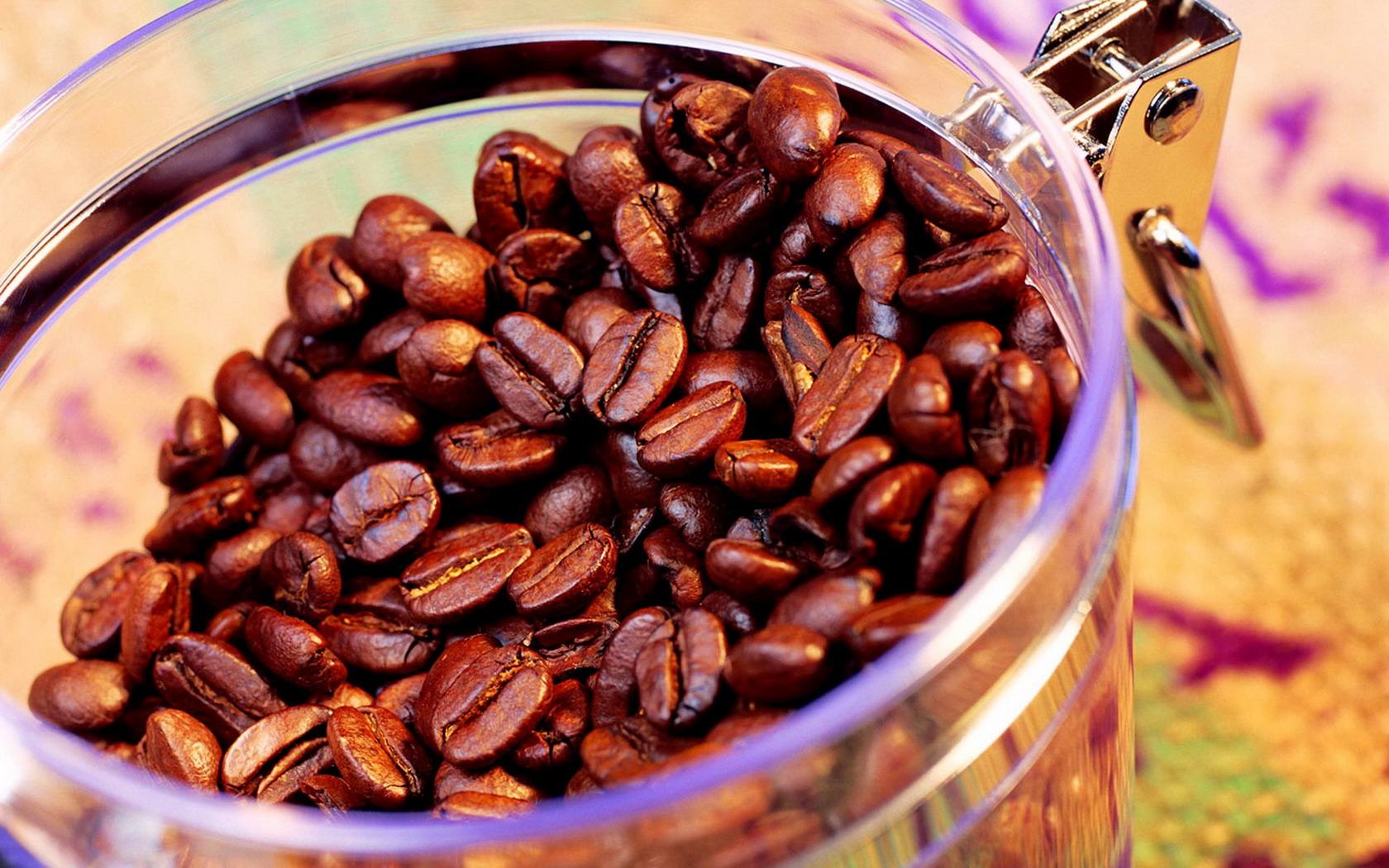
Costa Rican coffee producing area, Costa Rican coffee introduction
Following Caf é (official Wechat account vdailycom) found that the Cafe Beautiful opened a small shop of its own, coffee was introduced from Cuba to Costa Rica in 1729, and today its coffee industry is one of the well-organized industries in the world, producing 1700 kg per hectare. Costa Rica has a population of only 3.5 million, but there are as many as 400 million coffee trees, and coffee exports account for the majority of the country's coffee exports.

Introduction of Costa Rican boutique coffee bean flavor manor as clear as wind chimes swaying in the breeze
Costa Rica is located in the strip of Central America, latitude 10 degrees north; longitude 84 degrees west. It is bordered by the Caribbean Sea to the east and the North Pacific Ocean to the west, with a coastline of 1290 km (212km on the east coast and 1016 km on the west coast). Costa Rica borders Nicaragua in the north (309 km long border) and Panama (639 km long border) south-southeast. Total

A brief introduction to the planting Market Price of Diamond Hill Fine Coffee beans in Costa Rica with bitter Chocolate
Tarrazu in Costa Rica is one of the major coffee producing areas in the world. The coffee produced is light and pure in flavor and pleasant in aroma. Costa Rica, with its fertile volcanic soil and good drainage, is the first country in Central America to grow coffee and bananas for commercial value. Coffee and bananas are the country's main exports. In 1729, coffee was introduced from Cuba to Goth.

Mellow neutral taste Costa Rican coffee variety characteristics taste manor boutique coffee bean flavor introduction
Costa Rican coffee is produced in the Republic of Costa Rica (The Republic of Costa Rica) in the south of Central America. Its quality is similar to that of Colombian coffee and is suitable for blending mixed coffee. The coffee beans produced at the high latitudes of Costa Rica are famous in the world, full-bodied, mild in taste, but extremely sour.

Taste mellow neutral Costa Rican coffee varieties taste characteristics manor boutique coffee bean flavor introduction
Costa Rican coffee is produced in the Republic of Costa Rica (The Republic of Costa Rica) in the south of Central America. Its quality is similar to that of Colombian coffee and is suitable for blending mixed coffee. The coffee beans produced at the high latitudes of Costa Rica are famous in the world, full-bodied, mild in taste, but extremely sour.

An introduction to the flavor and taste characteristics of the coffee producing area of Costa Rica's Saint Roman Coffee Manor.
Costa Rica is located in the Central American isthmus, belonging to North America, 10 north latitude, 84 west longitude. It is bordered by the Caribbean Sea to the east and the North Pacific Ocean to the west, with a coastline of 1290 km (212km on the east coast and 1016 km on the west coast). Costa Rica borders Nicaragua in the north (309 km long border) and Panama (639 km long border) south-southeast. Total

Introduction to the characteristics of flavor and taste in the producing area of Costa Rica San Roman Coffee Manor
Coffee is an important economic source of Costa Rica. It was introduced in 1808 and has been cultivated for 200 years. Costa Rica has 1x3 population engaged in coffee-related industries. Colombians say that coffee has changed the country and enjoyed a rich environment, and coffee has indeed made an outstanding contribution. Although Costa Rica ranks third from the bottom in terms of land area in Central America, but the economic environment
Exquisite Costa Rican coffee beans delicious Vietnamese coffee exquisite rose summer coffee
Costa Rican Coffee Editor Costa Rican Coffee is produced in the Republic of Costa Rica (The Republic of Costa Rica) in the south of Central America. Its quality is similar to that of Colombian coffee and is suitable for blending mixed coffee. Chinese name Costa Rica coffee producer Costa Rica Tarrazu special point full of particles, acidity ideal catalogue 1